Key Takeaways
- A facility saying it can’t handle high-acuity is describing its own licensing, staffing, and physical unit limits, not judging the patient or family calling for help.
- High-acuity means active danger to self or others, psychosis, mania, treatment resistance, or active substance use layered on psychiatric crisis — a threshold set by each unit’s license and capabilities 3, 5.
- Capable programs run 24/7 board-certified psychiatry with round-the-clock RN coverage, because CMS requires enough qualified staff to deliver active treatment, not just observation 1.
- A written unit-level acuity plan, as Arizona R9-10-315 requires, lets staffing flex when a patient escalates and governs safe patient cohorting — census-based staffing cannot do this 4.
- Joint Commission accreditation and a ligature-resistant environment signal the unit was built and surveyed for active self-harm and aggression risk, unlike standard behavioral beds on med-surg floors 2, 11.
- Integrated dual-diagnosis care means substance use counselors and psychiatric clinicians on one team with onsite medication management for opioid or alcohol use disorder — not a referral loop that fuels relapse 13.
- A four-part phone script covering coverage, staffing model, accreditation and environment, and dual diagnosis reveals within minutes whether a program can genuinely accept the admission.
- Discharge planners speed placement by sending risk assessments, medication history, substance use screening, and documentation that lower levels of care cannot safely hold the patient 7, 8.
The Phone Call That Ends With “We’re Not Equipped for This”
You already know how this call goes. You explain the situation — the voices that came back, the third medication that stopped working, the drinking that started again after the last discharge, the note you found — and somewhere in the middle of your sentence, the voice on the other end shifts. Softer. Rehearsed. “I’m so sorry, but we’re not equipped for this level of acuity. Have you tried the ER?”
You have. That’s how you got their number.
If you’ve heard some version of that response from an intake coordinator, a rehab admissions line, or a discharge planner who wanted the bed back, take a breath. Being told your case is “too complex” is not a verdict on the person you’re calling about. It is a statement about what that specific facility is licensed, staffed, and physically built to handle. Those are two very different things, and confusing them keeps people stuck in a loop of ERs, short holds, and premature discharges.
This guide will. In the next few sections, you’ll get the plain-language version of what separates a facility that can accept a high-acuity psychiatric or dual-diagnosis admission from one that cannot, and a short list of questions you can ask on the very next call so you stop wasting hours on programs that were never going to say yes.
What “High-Acuity” Actually Means on an Admissions Call
“High-acuity” is one of those words that gets used a lot and defined almost never. On an admissions call, it is shorthand for a specific set of clinical realities the intake nurse is quietly running through while you talk.
In Arizona, the licensing framework is unusually blunt about it. A behavioral health inpatient facility is defined as a place that provides continuous treatment to people who may be a danger to themselves, a danger to others, persistently or acutely disabled, or gravely disabled 3, 5. That is the legal shape of high-acuity. If any of those descriptions fit the person you are calling about — active suicidal ideation with a plan, psychosis that is impairing judgment or reality testing, mania that will not sleep, withdrawal layered on top of a psychiatric crisis — the intake coordinator is now trying to decide whether their unit is licensed and staffed to hold that.
Clinically, admissions teams tend to weigh four things at once:
- risk of harm to self or others,
- degree of functional impairment,
- treatment resistance (medications tried and failed, prior hospitalizations, prior discharges against medical advice), and
- whether substance use is active alongside the psychiatric picture.
Any one of those pushes the case up the acuity ladder. Two or more, and most general programs step back.
Here is what to take from this: when a facility uses the word “acuity,” they are not being vague on purpose. They are describing a threshold set by their license, their staffing, and their physical unit. Your job on the next call is to get them to name where that threshold actually sits, in plain terms, before you spend another hour describing a situation they were never going to accept.
The Four Capabilities That Separate a Yes From a No
24/7 On-Site Psychiatry and RN Coverage
The first thing an admissions coordinator is measuring, silently, is whether their coverage schedule can hold the case at 2 a.m. on a Sunday. That is not a rhetorical question. CMS requires psychiatric hospitals to have a registered nurse available 24 hours a day and enough qualified professional and supportive staff to actually deliver active treatment, not just observation 1. Interpretive guidelines add a sharper edge: the whole point of the staffing rule is to make sure the hospital can carry out an intensive, comprehensive active treatment program and physically protect patients 9.
Translated: if the only psychiatrist rounds on weekday mornings and a mid-level covers by phone the rest of the time, that program cannot honestly say yes to someone who is actively suicidal, floridly psychotic, or coming off benzodiazepines. They can admit and hope. Capable facilities do not admit and hope.
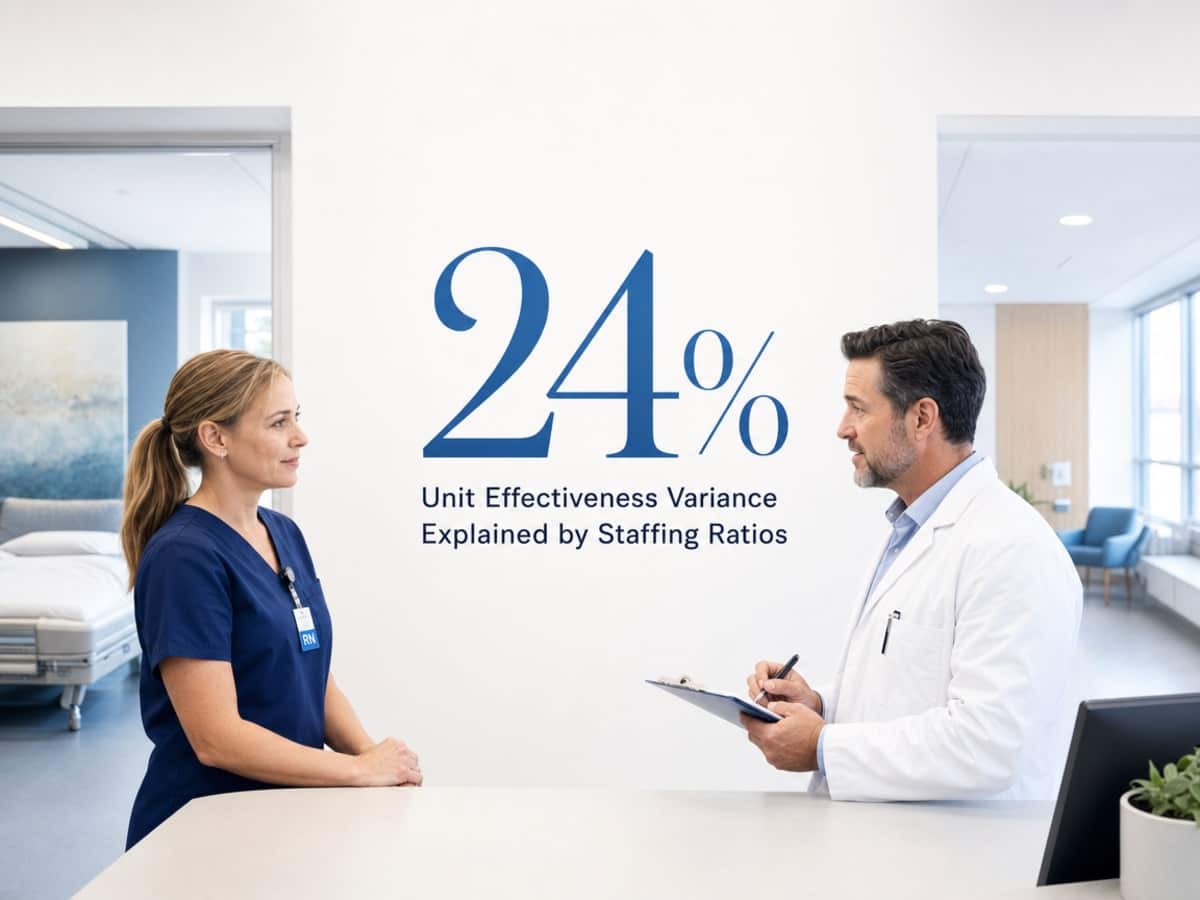
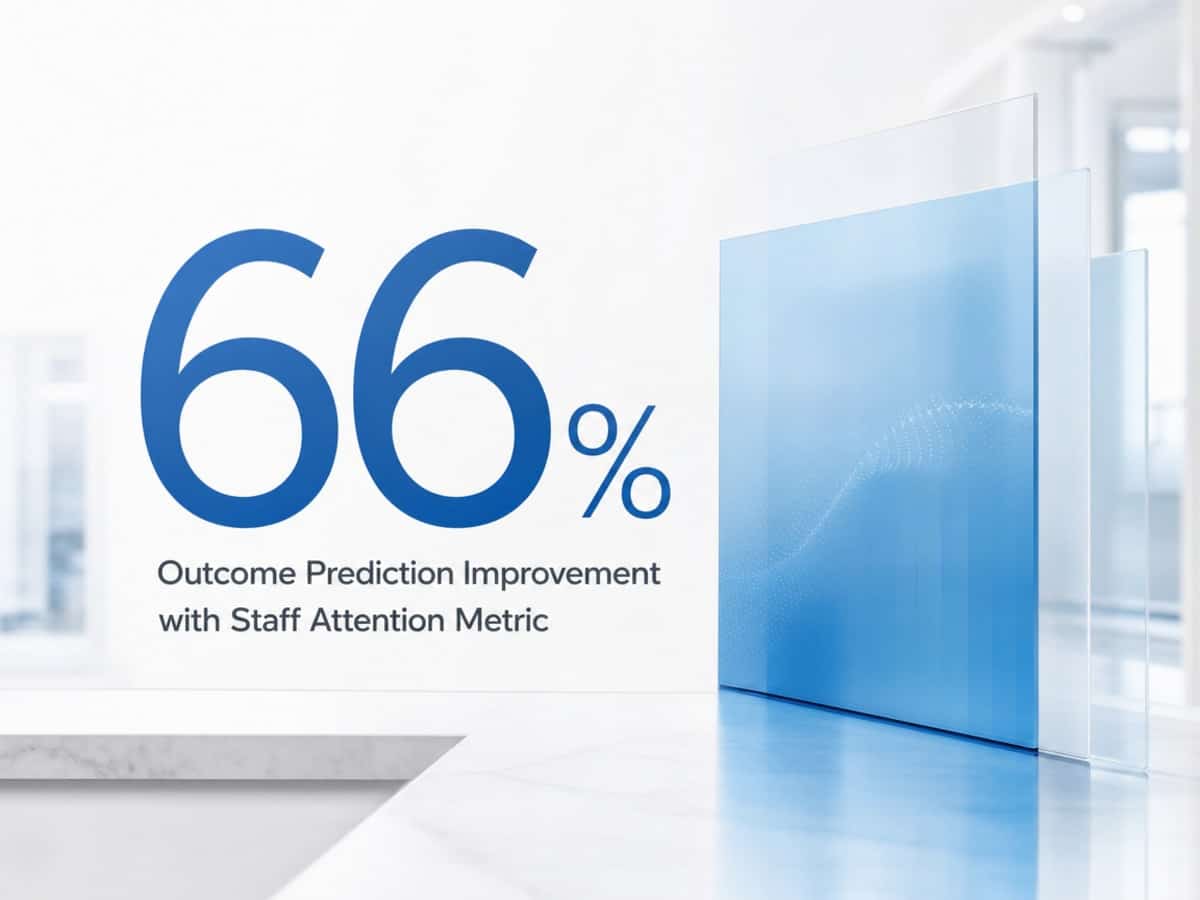
Depth matters as much as headcount. A multicentre study of inpatient psychiatric units found that staff-patient ratios accounted for roughly 24% of the variance in unit effectiveness, and that adding a measure of staff attention improved outcome prediction by up to 66% compared with ratios alone 12. The study used HoNOS acuity scores across inpatient units, so it speaks to units that already look something like the one you are trying to place into. The plain reading: a facility can have the numbers on paper and still miss what a high-acuity patient needs if the staff are not present and attending in a real, minute-to-minute way.
On your next call, ask two direct questions. Is there a board-certified psychiatrist physically on site or immediately on call every hour, including nights and weekends? What is the RN-to-patient ratio on the specific unit where this admission would go, and does it flex when acuity rises? A confident program will answer both without pausing.
A Written, Unit-Level Acuity Plan
Staffing on paper is not the same as staffing that adjusts. This is where Arizona is unusually specific, and it is worth knowing because it tells you what a competent program should already be doing whether or not it is legally required in your state.
Arizona rule R9-10-315 requires every behavioral health inpatient facility to develop and implement an acuity plan for each unit. The plan has to spell out a method for setting the types and numbers of staff needed to keep patients safe, and it has to guide who can be placed near whom — a patient cannot share space with another patient who may present a threat to their health or safety 4. That last clause is the quiet reason some admissions get declined even when a bed is technically open. If accepting your admission would put someone else on the unit at risk, or vice versa, the acuity plan tells the intake team to say no.
Read it as a working document, not a binder on a shelf. A real acuity plan means the charge nurse can pull extra 1:1 coverage when someone escalates, can move a newly admitted patient with active suicidal ideation into line-of-sight, and can adjust the mix on the unit when a new admission changes the risk profile. Facilities without that muscle tend to keep the same static schedule regardless of who is on the floor, which is exactly why they cannot safely accept the more complex cases.
Ask directly: does the unit operate from a written acuity plan, and how does staffing change when a patient’s acuity goes up mid-stay? If the answer is a version of “we staff to census,” that is your signal. Census-based staffing and acuity-based staffing are different operating models, and only one of them holds high-acuity admissions safely.
Hospital-Grade Accreditation and a Ligature-Resistant Environment
The building itself is part of the treatment. That sounds abstract until you look at what regulators actually require of units built to hold suicidal, self-injurious, or aggressive patients.
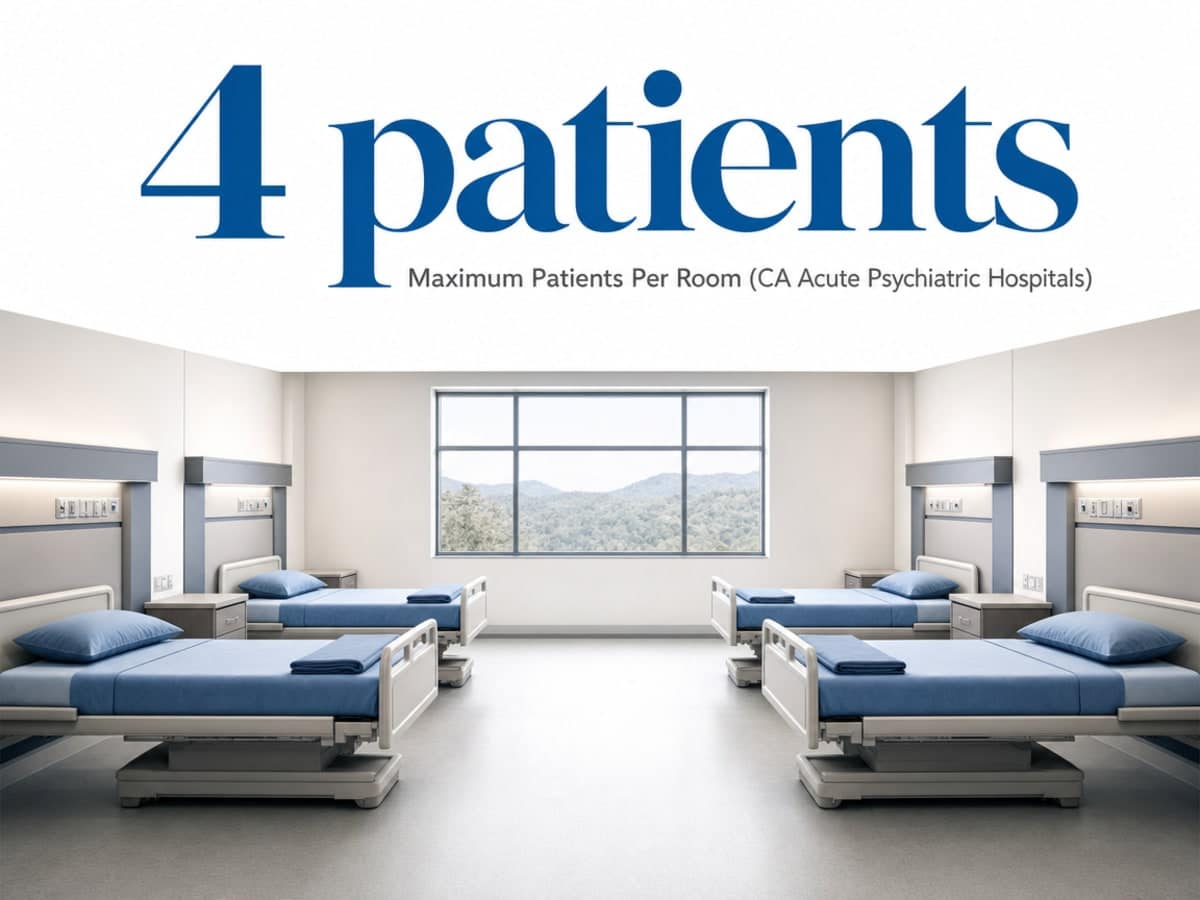
Michigan’s Certificate of Need standards define a high-acuity psychiatric unit as one built for people with poor impulse control, physical threats, or attempts at self-harm — and require environmental safety measures that meet Joint Commission and CMS standards throughout the entire unit, along with staff trained in non-violent crisis intervention 11. California’s advisory guide for acute psychiatric hospitals goes further on the physical envelope: in high- and medium-risk psychiatric care areas, lighting must be tamper-resistant and bedrooms are capped at four patients 10. Compare that with a general behavioral bed on a med-surg floor, where standard hospital light fixtures, exposed hardware, and shared-room configurations were never designed with ligature risk or acuity-based cohorting in mind. The gap is not cosmetic. It is the difference between a room a patient in crisis can be left in and a room they cannot.
Accreditation is the shorthand for whether a facility has been surveyed against that kind of standard. CMS recognizes Joint Commission accreditation as a route to deemed status for hospitals, though the distinct-part psychiatric provisions still require adequate staffing, supervision, and equipment to provide active treatment on a continuing basis 2. In plain terms, Joint Commission accreditation means an outside surveyor has walked the unit, opened the closets, checked the door hardware, reviewed the treatment plans, and signed off that the environment and the clinical program hold up under scrutiny.
Two things to ask an admissions line. First, is the facility Joint Commission accredited at the hospital or behavioral health level, and when was the last survey? Second, is the unit ligature-resistant throughout, including bathrooms and bedrooms? “Ligature-resistant” is a specific term of art in psychiatric environmental safety. If the person on the phone does not recognize it, or hedges, that is information. A program that admits high-acuity patients regularly will answer both questions without softening the language, because their unit was built and surveyed against exactly those standards.
Integrated Dual-Diagnosis Staffing, Not a Referral Loop
Here is where a lot of admissions quietly fall apart. The person you are calling about has a psychiatric diagnosis and is also drinking, or using opioids, or coming off benzodiazepines, or all of it. The intake coordinator asks about substance use, and when you answer honestly, the tone shifts. “We can treat the mental health side, but they’d need to complete detox first and get 30 days sober before we can admit.” That is a soft no. It is also the single most common way high-acuity dual-diagnosis patients get bounced.
The reason it happens is structural. A program that is not built for co-occurring care does not have the staffing model to safely hold both sides of the presentation at once. SAMHSA’s TIP 42 guide is explicit about what integrated care actually requires:
- substance abuse treatment professionals on staff,
- cross-training across disciplines,
- an integrated team approach,
- a prescribing psychiatrist on site, and
- medication management that includes medications used to treat opioid and alcohol dependence 13.
That is not a nice-to-have list. It is the minimum operational footprint for a facility to say yes to a case where the psychiatric and substance use pieces are actively feeding each other.
If any of those pieces are missing, the program will treat one condition and refer out for the other. For a high-acuity patient, that referral loop is where relapse and rehospitalization live. The mental health team stabilizes the psychiatric symptoms, discharges to an outside SUD program, and the substance use destabilizes the mental health picture within weeks. You have probably watched some version of that cycle already.
Ask the admissions line three things. Do you have substance use counselors and mental health clinicians on the same treatment team, meeting on the same case? Is there a psychiatrist on site who can manage psychiatric medications alongside medications for opioid or alcohol use disorder? Do you admit patients who are still using or in early withdrawal, or do you require prior detox and a sobriety window? The answers tell you, in about ninety seconds, whether the program is genuinely integrated or is running two parallel tracks with a warm handoff between them.
Why the Other Facility Said No
Now that you know what capable units look like, the earlier rejection probably makes more sense. It usually was not about your loved one. It was about a gap the intake team could not close.
Most of the time, the “no” traces back to one of four gaps:
- The program does not have a psychiatrist physically available around the clock, so it cannot meet the CMS expectation of adequate staff to carry out active treatment and 24-hour RN coverage for someone in crisis 1.
- The unit staffs to census instead of acuity, which means it cannot flex when a new admission raises the risk profile for everyone already on the floor — the exact scenario Arizona’s acuity-plan rule is written to prevent 4.
- The physical environment was not built for ligature risk and aggression, so the intake nurse knows they cannot safely place a patient with active self-harm behaviors in a standard behavioral bed 11.
- The program treats mental health and substance use on parallel tracks and needs the patient detoxed and sober before admission, which a genuinely integrated dual-diagnosis model would not require 13.
Read the rejection this way and something shifts. The other facility was not judging the person. It was reporting its own ceiling. That is useful information, because it tells you what to screen for next time — and it tells you to stop taking the last “no” personally. The next call is a different conversation with a different unit built to a different standard.
A Checklist to Use on Your Next Admissions Call
Keep this list next to you. It is written to be read out loud on the phone, in the order the intake coordinator can actually answer it. You will know within about ten minutes whether the program you’re calling can hold the case.
Coverage. Is a board-certified psychiatrist on site or immediately reachable 24 hours a day, including nights and weekends? Is a registered nurse on the unit around the clock, as CMS requires of psychiatric hospitals 1? If the psychiatrist rounds weekdays only, keep dialing.
Staffing model. Does the unit operate from a written acuity plan that adjusts staffing when a patient escalates, or does it staff to census? Arizona’s R9-10-315 spells out what a real acuity plan looks like — a defined method for setting personnel numbers and rules for who can be placed near whom 4. “We staff to census” is a soft no.
Accreditation and environment. Is the facility Joint Commission accredited, and when was the last survey 2? Is the unit ligature-resistant throughout, including bathrooms? If “ligature-resistant” gets a pause, the physical environment was not built for active self-harm risk.
Dual diagnosis. Are substance use counselors and mental health clinicians on the same treatment team? Can the on-site psychiatrist prescribe medications for opioid or alcohol use disorder alongside psychiatric medications 13? Do you admit patients still using or in early withdrawal, or is prior detox required?
If a program answers all four with specifics, you’re talking to a facility that can say yes. If it hedges on two or more, save your energy for the next call.
If You’re a Discharge Planner or Case Manager Placing From Crisis
A quick note for the clinicians reading this: the four-question script works, but you already know the bottleneck is documentation. What determines whether an admissions team can say yes in the next hour is what you can put in their hands.
Send the current risk assessment, the medication history with prior trials and reasons for discontinuation, any substance use screening, the last psychiatric evaluation, and the reason lower levels of care are no longer sufficient. That last piece matters. Arizona payers, for example, authorize higher-acuity placements when the record shows continued significant risk of harm or functional impairment and demonstrates that a less restrictive setting cannot safely hold the patient 7. Urgent admissions from a crisis or inpatient setting do not require prior authorization on the AHCCCS side, which removes one friction point when the clinical picture is clear on paper 8.
When you call, name the acuity in the same language the receiving unit uses — active suicidal ideation with plan, first-break psychosis, rapid cycling, active withdrawal alongside psychiatric symptoms. Ask whether the unit’s acuity plan can absorb this admission today 4. That conversation is faster, and the yes comes sooner.
Where ViewPoint Dual Recovery Fits
If the last few sections gave you a rubric, here is the straightforward answer about one facility that meets it. ViewPoint Dual Recovery is a Joint Commission-accredited psychiatric treatment program in Prescott, Arizona, licensed by Arizona ADHS to serve the exact population Arizona’s rules describe — people who are a danger to themselves or others, persistently or acutely disabled, or gravely disabled 3, 5. Joint Commission accreditation is the same accreditation route CMS recognizes for hospital-level deemed status, which means an outside surveyor has evaluated the clinical program and environment against national standards 2.
The staffing model matches the four capabilities in this guide. Board-certified psychiatrists and nursing staff are part of the treatment team for active treatment 1. The unit operates from an acuity-based staffing plan as Arizona R9-10-315 requires, so coverage flexes when a patient escalates 4. And mental health and substance use care sit on the same treatment team — psychiatrists, therapists, and substance use clinicians working the same case, with advanced medication management including clozapine protocols — which is the integrated model SAMHSA describes for co-occurring disorders 13.
Practically, that means ViewPoint routinely accepts admissions other programs decline: treatment-resistant schizophrenia, rapid-cycling bipolar, active suicidality with a psychiatric diagnosis, and co-occurring substance use alongside a primary mental health condition. If you’ve been told no elsewhere, call the ViewPoint admissions line and describe the case in the same specific language you’d use with any capable unit. You’ll get a direct answer.
Find out if high-acuity admission is possible
Receive expert feedback on complex-case admission and individualized care options—right from the first contact.
Frequently Asked Questions
What does “high-acuity” mean when a facility uses that term on the phone?
It’s shorthand for a specific clinical threshold: active danger to self or others, psychosis or mania that impairs judgment, or severe functional impairment — often layered with treatment resistance or active substance use. Arizona’s licensing rules describe this same population as dangerous, persistently or acutely disabled, or gravely disabled 5. When an intake coordinator says “acuity,” they’re measuring whether their staffing and unit can safely hold that.
Why do so many programs say they “can’t accept” active suicidality, treatment-resistant schizophrenia, or co-occurring substance use?
Because their license, staffing schedule, or physical unit wasn’t built for it. CMS requires psychiatric hospitals to have 24-hour RN coverage and enough qualified staff to deliver active treatment 1. Programs without a psychiatrist on call around the clock, an acuity-based staffing plan, or a ligature-resistant environment know they can’t hold the case safely. The “no” is about their ceiling, not your loved one.
What questions should I ask an admissions line to know if a facility can actually handle a high-acuity case?
Ask four things directly. Is a board-certified psychiatrist available on site or immediately on call 24/7, with an RN on the unit around the clock 1? Does the unit run on a written acuity plan that flexes staffing when patients escalate 4? Is it Joint Commission accredited and ligature-resistant throughout 2? And are substance use and mental health clinicians on the same treatment team 13?
What is the difference between a facility that treats dual diagnosis onsite and one that refers substance use out?
A genuinely integrated program has substance use counselors and mental health clinicians on the same team, meeting on the same case, with an onsite psychiatrist who can prescribe medications for opioid or alcohol use disorder alongside psychiatric medications 13. A referral model treats one condition and hands the other off — which is where high-acuity patients cycle through relapse and rehospitalization between discharge dates.
Does ViewPoint Dual Recovery accept patients other programs have turned away?
Yes. ViewPoint is a Joint Commission-accredited, Arizona ADHS-licensed psychiatric facility in Prescott with board-certified psychiatric leadership, an acuity-based staffing model consistent with Arizona R9-10-315 4, and integrated dual-diagnosis care on a single treatment team 13. It routinely admits treatment-resistant schizophrenia, rapid-cycling bipolar, active suicidality with a psychiatric diagnosis, and co-occurring substance use. Call the admissions line and describe the case specifically.
As a discharge planner, what documentation should I send with a high-acuity referral?
Send the current risk assessment, medication history with prior trials and reasons for discontinuation, substance use screening, the most recent psychiatric evaluation, and documentation that lower levels of care are no longer sufficient. Arizona payers authorize higher-acuity placements when the record shows continued significant risk of harm or functional impairment 7. For urgent admissions from crisis or inpatient settings, prior authorization isn’t required 8.
References
- State Operations Manual – Appendix AA: Survey Protocol, Regulations and Interpretive Guidelines for Psychiatric Hospitals. https://www.cms.gov/regulations-and-guidance/guidance/manuals/downloads/som107ap_aa_psyc_hospitals.pdf
- Psychiatric Hospitals. https://www.cms.gov/medicare/health-safety-standards/certification-compliance/psychiatric-hospitals
- Arizona Administrative Code Title 9, Chapter 10 – Health Care Institutions: Licensing. https://apps.azsos.gov/public_services/Title_09/9-10.pdf
- Ariz. Admin. Code § R9-10-315 – Behavioral Health Services. https://www.law.cornell.edu/regulations/arizona/Ariz-Admin-Code-SS-R9-10-315
- Ariz. Admin. Code § R9-10-101 – Definitions. https://www.law.cornell.edu/regulations/arizona/Ariz-Admin-Code-SS-R9-10-101
- Covered Behavioral Health Services Guide (CBHSG) – AHCCCS. https://www.azahcccs.gov/PlansProviders/Downloads/MedicalCodingResources/AHCCCSCoveredBHServicesManual.pdf
- Behavioral Health Residential Facility and BHP Responsibilities – AHCCCS. https://www.azahcccs.gov/Resources/Downloads/DFSMTraining/2024/Behavioral_HealthResidentialFacilityBHP_ResponsibilitiesSeptember2024.pdf
- Behavioral Health Residential Facility – AHCCCS (Revised). https://www.azahcccs.gov/Resources/Downloads/DFSMTraining/2019/BehavioralHealthResidentialFacilityRevised_03192019_Updated_June2019.pdf
- Psychiatric Hospitals – Interpretive Guidelines and Survey Procedures. https://www.cms.gov/Regulations-and-Guidance/Legislation/CFCsAndCoPs/Downloads/som107ap_aa_psyc_hospitalspdf.pdf
- A4 Acute Psychiatric Hospitals Advisory Guide. https://hcai.ca.gov/wp-content/uploads/2025/02/A4_Acute_Psychiatric_Hospitals_Advisory_Guide-02-07-2025-A.pdf
- CON Review Standards for Psychiatric Beds and Services (Psychiatric Beds). https://www.michigan.gov/-/media/Project/Websites/mdhhs/Doing-Business-with-MDHHS/Health-Care-Providers/Certificate-of-Need/CON-Review-Standards/PB_Standards.pdf?rev=38bb29c4f0114264813474691c4ce971
- Nurse Staffing in Psychiatric Inpatient Care: A Multicentre Study. https://pmc.ncbi.nlm.nih.gov/articles/PMC13420185/
- Quick Guide for Mental Health Professionals – Based on TIP 42: Co-Occurring Disorders. https://library.samhsa.gov/sites/default/files/sma10-4531.pdf